TYPES OF THERAPIES
PRACTICED AT MIND AND THRIVE
Please contact your individual therapist for further information or specific queries

Psychodynamic
Psychodynamic therapy is an in-depth form of talking therapy that assists people understand how their past experiences and unconscious feelings, thoughts, and impulses shape their relationship with the external world .


Helping families navigate challenges and improve communication together. Positive psychology differs from traditional psychology as it focuses on optimal human functioning and well-being. Focusing on what makes life meaningful to the individual rather than the causes and symptoms of mental illnesses or emotional challenges. Positive psychology highlights traits, thought patterns, behaviours and experiences that are forward-looking which can help improve the quality of your day-to-day life.
Psychoanalytic
Positive Psychology
Psychoanalytic therapy is a long-term talking therapy that focuses on the unconscious and deeply buried thoughts and feelings. These repressed memories and emotions that are often from childhood experiences can help resolve psychological problems by establishing conscious awareness. This will not only bring you systemic relief but can create a new level of emotional development. This will positively adjust your thought process, behaviour, and relationships in adulthood.
EMDR therapy is specifically designed to combat and relieve symptoms associated with distressing memories. This psychotherapy technique has been proven to aid the recovery from traumatic experiences and PTSD.
EMDR has been practiced since 1987 and is the abbreviation for Eye Movement Desensitization and Reprocessing. It is the practice of recalling specific memories while performing a series of side-to-side visual stimulus delivered by your therapist. These eye movements help reduce the emotional intensity of said memories. This is done so that they can then be safely discussed, digested, and remove its power to trigger anxiety and avoidance.
EMDR

Sand Play
Trauma Focused

Sand play is a non-verbal form of therapy designed to visually depict a person’s inner thoughts, struggles and concerns. It is popular form of therapy used for children but also adults.
A sandbox, toy figures and sometimes water is used in sand play therapy. This practice is popular amongst children but it is also for anyone who may struggle with verbalising their feelings and experiences. This incorporation of Imaginary play is helpful in therapy as it allows patients to draw parallels between what they create and their own personal difficulties. This technique is extremely beneficial in a patients journey of healing and personal growth.
Trauma focused therapy is used as a way of reducing symptoms like flashbacks, nightmares, fear and anxiety that stem from a traumatic experiences. The use of cognitive, emotional and behavioural techniques enable you to place the traumatic experience fully into the past allowing you to move forward more harmoniously.
Trauma Focused therapy was initially practiced by psychiatrist, Judith Cohen in the 1990’s in as a way of helping children and adolescents who had experienced sexual abuse. However, now trauma therapy is used to act as an aid for both children and adults who have experienced a form of severe trauma or abuse.
Cognitive Behavioural (CBT)
Systemic

Systemic therapy focuses on relationship dynamics of a group whether that be families, work teams, friends or couples. The aim of systemic therapy is to highlight group interactions instead of only focusing on an individuals thoughts and feelings. This form of therapy is a helpful aid in improving communication, understanding repeated behaviours/patterns and strengthening the entirety of the relationship. Within the nonjudgmental, safe environment of systemic therapy relationships can improve as each member of the group works coherently in order for positive changes to be made.


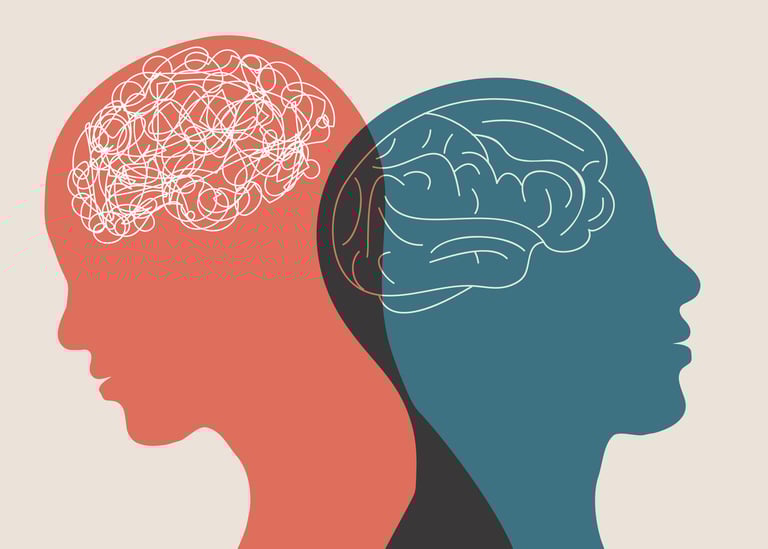
Cognitive Behavioural Therapy (CBT) is a form of psychotherapy that assists with identifying and changing negative thought patterns and behaviours that contribute to difficulties you may be facing like anxiety and depression. CBT can help you integrate practical and realistic coping techniques to manage present day challenges. This problem focused therapy is extremely helpful with combatting negative thinking by incorporating an objective and more realistic perspective on scenarios.
This form of therapy focuses on the connection between thoughts, feelings and behaviours whilst enabling one to develop their own tools to manage future difficulties independently. Incorporating theses practical self-help strategies is also why CBT is often a more short term form of therapy as the therapist is their to guide you through first identifying your negative thoughts and challenging that idea and reframing said thoughts. Then assisting you in changing behaviours where necessary so that you can develop the appropriate skills to apply in your daily life.
Couples Counselling
Couples counselling is a type of talk therapy that is intended for romantic partners. The aim of couples counselling is to provide a safe and non-judgement environment to be able to address relationship conflicts and communication issues. These issues are explored with the intention of then increasing affection and empathy for each other.
Within the session’s techniques from varying forms of therapy may be incorporated. This could include emotionally focused therapy, the Gottman Method, cognitive-behavioral therapy (CBT) for couples, Imago relationship therapy, and more.
Multicultural


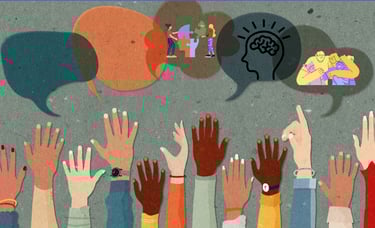

Multicultural therapy that focuses on and incorporates your race, ethnicity, gender, sexual orientation, religion, socioeconomic status and other social factors within your sessions. The intent of multicultural therapy centres these demographic factors as a way of acknowledging the impactful role these factors can have in your relations with others and they can also shape your experiences in life.
Often, minority groups face marginalisation, racism, stereotyping and oppression. The acknowledgment of these negative experiences within multicultural therapy is essential for ones’ mental well-being.
Additionally, the recognition of varying cultural views on mental health treatment can aid in the destigmatisation and or negative associations accompanied with seeking care for your mental health. This awareness and sensitivity from your therapist can be a helpful method in allowing yourself to remove any barriers that may be preventing you from fully benefitting or seeking care for your mental health.
Coaching
Family Therapy
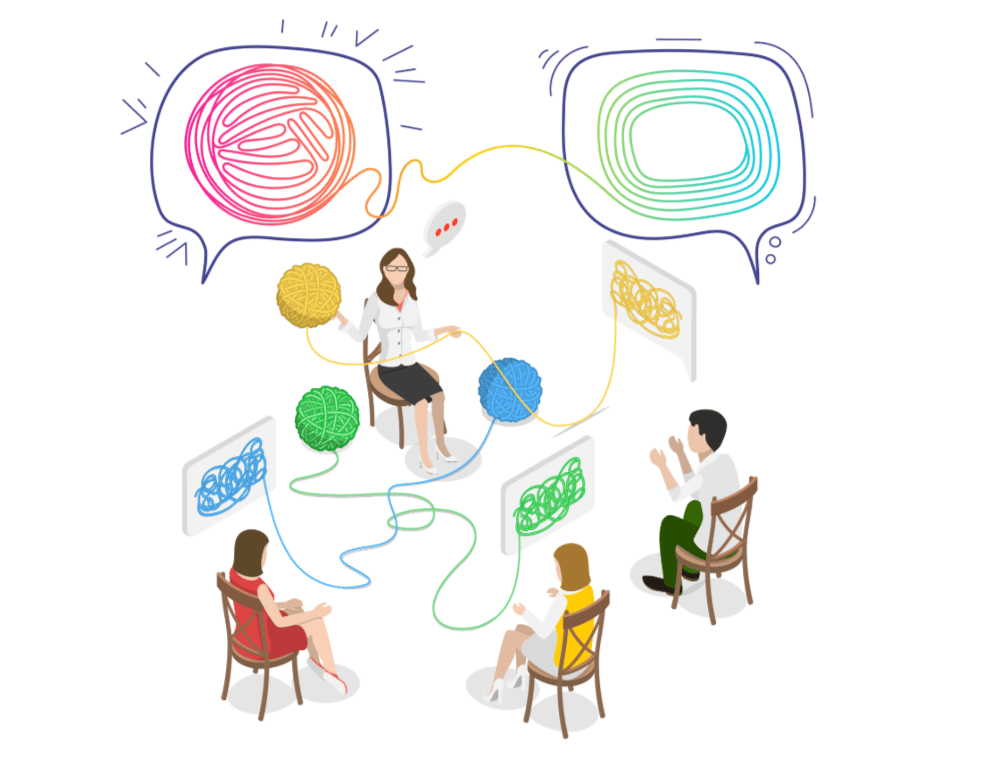
Family therapy is a form of talking therapy that helps individuals resolve their problems in the context of their family units. A key concept that family therapy revolves around is that what happens to one member of a family happens to everyone in the family.
During family therapy, individual's in the family work together to gain a better understanding of their group dynamic and how they personally contribute to that. This is done in order to improve communication, resolve conflicts, and strengthen their relationships.
Psychological coaching is focused on present day and future aspects of your life to help you reach your goals and ambitions.
Coaching is used as an aid in overcoming obstacles that could be interfering with your success and deterring you from reaching your full potential. During coaching sessions you build skills and focus on your strengths that help with enhancing your abilities and performance, akin to how a sports coaches helps their athletes. Coaching is also very useful during transitional times as it assists with making life more smooth and negating adjustment challenges.
Psychological coaching is an extremely beneficial form of therapy which can result in you having stronger relationships, feeling better about yourself and achieving your goals both personally and professionally. This will all in turn result in a happier, better quality of life for yourself.
Narrative & Metallisation Based Treatment
In the 1980’s narrative therapy was developed and it is a type of counselling that assists with the process of identifying and changing problematic or dominant themes within your life.
Narrative therapy can provide this by stopping the cycle of internalising blame and or judgment which is essential in learning that you are not your problem. Allowing your therapist to assist in the separation between yourself and challenges or destructive behavioural patterns enables you to have a more distanced perspective. This is essential in the process of gaining clarity on running negative narratives within your life so that you can then be able to enforce genuine change and positive adjustments.
This type of counselling is empowering, builds confidence and bring a greater sense of meaning and purpose to your life through the breakdown of your narrative into smaller more palatable concepts. This is particularly beneficial for those who face anxiety, depression, eating problems and anger.

Metallisation based therapy is predominantly used for those with borderline personality disorder and it is an evidence based form of treatment that was developed in the 1990s.
Metallisation focuses on improving your emotional regulation through the process of creating distance and differentiation between your own emotional state of mind and that of others. This helps in the understanding of how one’s mental state influences behaviours. This is particularly helpful in enabling those with thinking before they react to their own and or others feelings and preconceived beliefs.
Improving your cognitive ability to mentalize ensure for a better understanding of both yourself and others . This type of therapy is also useful for those that struggle with addiction or have experienced abandonment issues early in life resulting in an insecure attachment style.
Contact
TO BE CONTACTED
admin@mindandthrive.co.uk
+44 7946 381024
© 2025. All rights reserved.
Compassionate counselling services for all ages.
Mind and thrive